The Allure of Chance and Uncertainty
The thrill of casino games is deeply rooted in our psychology, particularly the allure of chance and uncertainty. Humans are naturally drawn to risk-taking, and the unpredictable nature of games like roulette or blackjack enhances this attraction. When players place their bets, they embark on a journey filled with suspense, which can trigger the release of dopamine—the brain’s pleasure chemical. This biochemical response creates excitement and reinforces the desire to engage in gambling, including options at online casino nz , making each spin or hand a potential source of euphoria. The anticipation leading up to a game or a bet can be as exhilarating as the outcome itself, making the entire experience a complex interplay of emotions.
Furthermore, the uncertainty of game outcomes taps into our innate desire for control over our environment. Players often believe they can influence outcomes, whether through strategies or ‘lucky’ rituals. This illusion of control can heighten the experience, making a win feel even more rewarding and a loss more impactful. For instance, players may develop specific betting patterns or superstitions, believing that these actions will lead to favorable results. This belief can foster a deeper emotional investment in the game, creating a cycle where players are continuously drawn back into the gaming experience, hoping to replicate past successes or finally hit that elusive jackpot, all while their adrenaline pumps and emotions run high.
Additionally, the psychological concept of variable reinforcement plays a significant role in casino gaming. This principle suggests that unpredictable rewards are more reinforcing than consistent ones. In a casino, players often receive intermittent payouts, whether it’s winning a small amount or hitting a larger prize. This sporadic reward schedule keeps players engaged longer, as they can never quite predict when the next win will occur. The uncertainty fuels a cycle of hope and anticipation, creating an addictive loop that draws players deeper into the casino experience. It is this unpredictability that makes each game feel like a new opportunity, keeping players returning for more, despite the risks involved.
Social Interaction and the Casino Environment
Another psychological aspect that enhances the appeal of casino games is the social interaction they facilitate. Many players enjoy the communal atmosphere found in physical casinos, where they can share their experiences with friends or strangers. Engaging with others while gaming can amplify the enjoyment, creating a sense of belonging and camaraderie. Whether through cheers for big wins or commiserating over losses, these shared moments contribute to a more enriching experience. This social interaction can be a significant draw for many players, making the casino not just a place to gamble but also a venue for socializing and building connections.
The layout and design of casinos further encourage social engagement. Open gaming areas, bar lounges, and vibrant decor are all designed to create an inviting environment where players feel comfortable interacting. Additionally, live games, such as blackjack or poker, allow for real-time interaction between players and dealers, fostering an engaging experience that feels more personal than digital alternatives. This social aspect not only keeps players invested in the games but also enhances their overall enjoyment of the casino atmosphere. The ability to share the thrill of the game with others can create lasting memories, further deepening the emotional connection to the casino experience.

Moreover, the importance of social proof cannot be overlooked. When players witness others winning, it can evoke feelings of excitement and motivation to join in on the action. This phenomenon can lead to increased participation as individuals are inspired by the successes of those around them, further fueling the casino’s lively environment. The presence of a cheering crowd or a group celebrating a win can create a contagious energy that encourages others to partake in the gaming experience. In this way, social dynamics play a crucial role in shaping the decisions players make when engaging with various games, making the casino a vibrant social hub.
The Impact of Design and Sensory Experiences
The design of casino games is intricately linked to psychological responses. Elements such as sound, color, and layout are strategically chosen to elicit specific emotions and facilitate engagement. Bright lights and vibrant colors are often used to attract attention and create a festive atmosphere, while upbeat sounds are designed to enhance the excitement of winning. These sensory experiences can create a euphoric response that keeps players immersed in the gaming environment. For example, the sound of coins clinking or bells ringing can trigger feelings of excitement, reinforcing the desire to play and win.
Additionally, the concept of ‘the near-miss’ is crucial in understanding game design. Many games are crafted to simulate close calls, where players almost win but ultimately fall short. This design technique leverages our psychological tendency to perceive near-misses as a positive outcome, fueling the desire to keep playing. Players often rationalize that they were “so close” to winning, prompting them to continue gambling in hopes of finally achieving success. This psychological nudge can lead to extended gaming sessions, as players chase after that elusive victory, believing that they are just one more game away from a big win.
The immersive environment of casinos draws players into a world where excitement reigns. The absence of clocks or windows creates a sense of timelessness, encouraging patrons to lose track of how long they have been playing. This manipulation of time perception can lead to prolonged gameplay, as individuals become absorbed in the experience without considering the passage of time. By combining sensory stimulation with strategic game design, casinos create an environment that keeps players engaged and coming back for more. This careful orchestration of elements ensures that players remain captivated, often forgetting their initial intentions when entering the casino.
Emotional Regulation and Escape
For many individuals, casino games serve as a form of emotional regulation and escapism. Life’s pressures can lead people to seek out activities that allow them to temporarily forget their worries. Engaging in casino games provides a distraction, allowing players to immerse themselves in a different world where the primary focus is on gaming. This escape can be particularly appealing during stressful times, as it offers a break from reality and a reprieve from the everyday grind. The excitement and adrenaline rush associated with gambling can create a temporary sense of euphoria, making it an attractive outlet for those seeking relief.
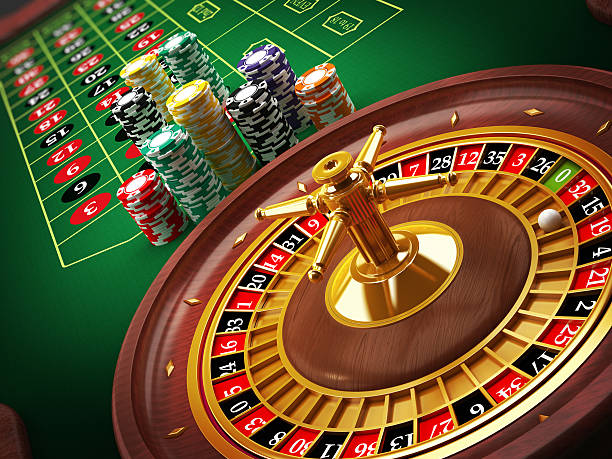
The thrill associated with gambling can also act as a coping mechanism for negative emotions. Players may turn to casino games when feeling anxious, lonely, or depressed. The excitement of potential wins can create temporary feelings of happiness and satisfaction, providing relief from emotional distress. However, this coping strategy can sometimes lead to problematic gambling behavior, where individuals continuously seek out games as an escape, resulting in negative consequences in the long run. Understanding this psychological aspect is crucial, as it underscores the need for responsible gaming practices to ensure that gambling remains a healthy form of entertainment.
Additionally, the social dynamics of casinos can create a sense of belonging for individuals who may feel isolated in their daily lives. Interacting with others in the casino environment can help fulfill social needs, making individuals feel valued and accepted. This interplay between emotional needs and the stimulation of gaming can create a compelling attraction, often blurring the lines between healthy recreation and unhealthy habits. Understanding these psychological factors can help players navigate their gaming experiences more mindfully, ensuring that they are engaging in a way that is both enjoyable and safe.
Understanding Responsible Gaming Practices
As we explore the intricate relationship between psychology and casino games, it’s essential to address the importance of responsible gaming practices. Awareness of how psychological factors can influence gaming behavior empowers players to make informed decisions. By understanding their motivations for gambling and recognizing the signs of problematic behavior, individuals can engage in gaming responsibly without jeopardizing their well-being. This self-awareness is crucial in developing a balanced approach to gaming that prioritizes enjoyment while minimizing risks.
Many casinos and gaming platforms emphasize responsible gaming initiatives, offering resources for players who may need support. These initiatives include self-exclusion programs, gambling limits, and educational materials about the risks associated with gambling. By promoting awareness and providing tools for self-regulation, the gaming industry aims to foster a healthier environment that encourages players to enjoy gaming without falling into harmful patterns. This commitment to responsible gaming reflects a growing recognition of the psychological impacts of gambling and the importance of safeguarding players’ mental health.
Furthermore, individuals need to establish personal limits and stick to them. Setting aside a specific budget for gaming and adhering to it can prevent excessive losses and ensure that gaming remains a fun and entertaining activity. By prioritizing enjoyment over winning, players can appreciate the gaming experience without allowing it to negatively impact their lives. Ultimately, understanding the psychology behind casino games not only enhances the gaming experience but also promotes a healthier approach to entertainment. Players who are mindful of their gambling habits can enjoy the thrill of the game while maintaining control over their actions and decisions.